
























Login-less comments on this static site
Commenting here costs no account, no email and no confirmation link: you get a random animal avatar, and the comment becomes a public JSON file served straight from S3.
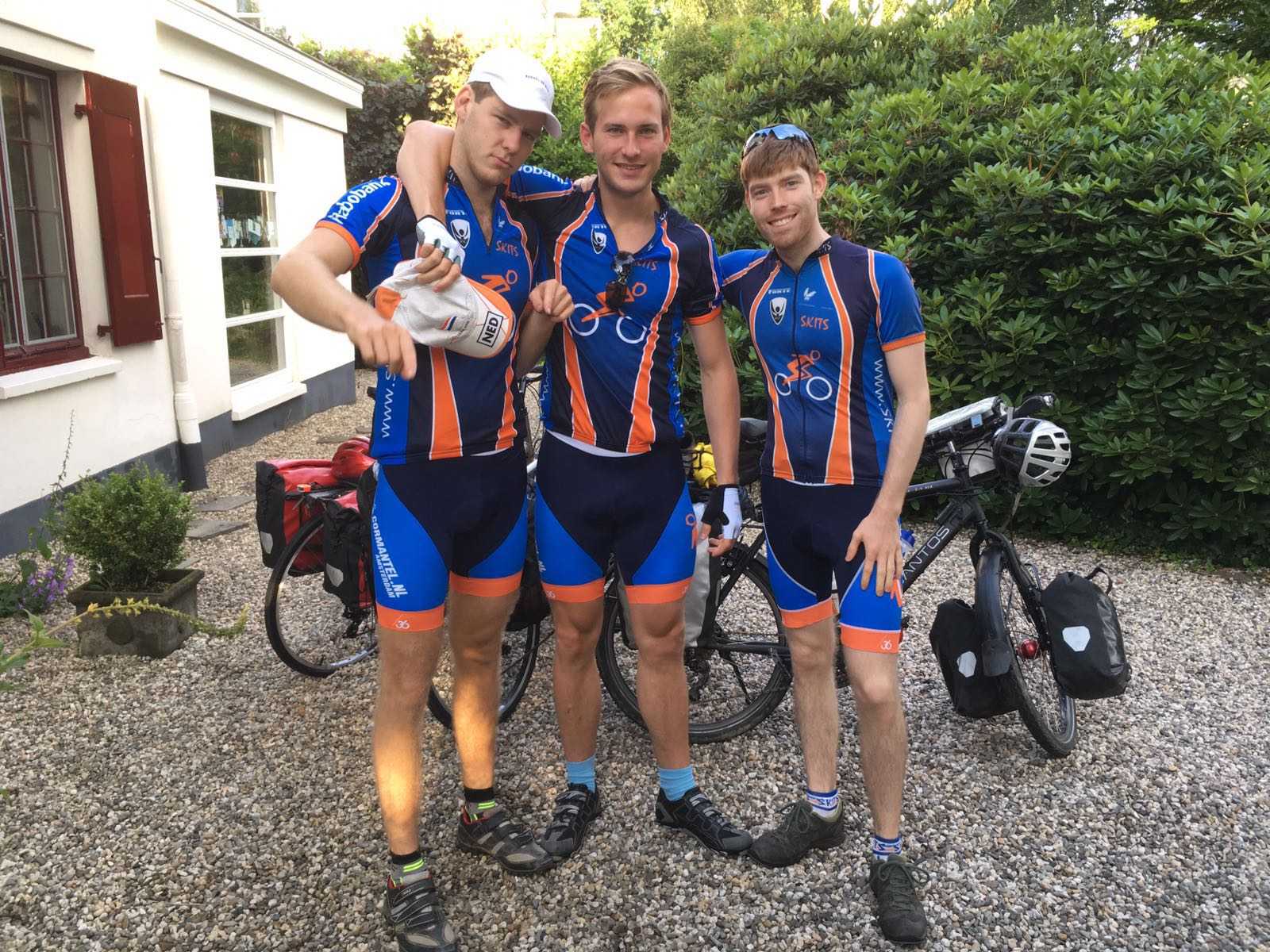
In the summer of 2016, Robben, Jonas and I cycled roughly 2,400 km from Maastricht to Rome in 34 days on bikes that cost about 350 euros each — I learned to shift gears for the first time the morning we left. We stitched the route together from EuroVelo paths along the Rhine and the Swiss lakes, the Great St Bernard Pass, and the ancient Via Francigena pilgrimage route through Cinque Terre, Pisa, Perugia and Assisi. Below is the full route, what we actually rode each day, the gear that survived the trip, and what a summer like that actually teaches you about slowing down.
Summary:
- We traveled 2,392 km and climbed a cumulative 16,000 m in elevation.
- We cycled for 23 out of 34 days between mid-July and August.
- Our route was a combination of Benjaminsen’s Rhine route, EuroVelo routes and the Via Francigena pilgrimage route.
- Major cities and towns we crossed were Maastricht, Metz, Strasbourg, Basel, Biel/Bienne, Lausanne, Aosta, Cinque Terre, Pisa, Florence, Perugia, Assisi and Rome.
- We took the sleeper train back from Rome to Arnhem via Munich.
This trip splits naturally into three legs: 1) the Rhine route, from Maastricht through the Ardennes and the Vosges to Basel; 2) crossing the Alps, following EuroVelo routes along the Swiss lakes, over the Great St Bernard Pass, and down into the Po Valley; and 3) the Via Francigena, the ancient pilgrim route that took us over the Apennines twice, through Cinque Terre, Pisa, Florence, Perugia and Assisi to Rome. Further down you’ll find what we actually biked each day, the gear that made the cut, and advice if you’re considering something similar.
We planned for months: a cheap bike each, borrowed panniers, and — since this was 2016 and mobile data came in the low hundreds of megabytes for the whole trip — printed and pre-studied maps rather than a phone to improvise with.
Click here to open the map in a new page.
The route crossed six major upland regions, culminating in the Alps before dipping and climbing again through the Apennines:
We set off from Maastricht, bikes loaded and, in my case, having ridden precisely zero kilometers on a derailleur bike before that morning — more on that in gear and logistics. From there we picked up the Rhine EuroVelo route through Metz, a good, low-key start that eased us into the touring rhythm before the harder legs ahead.
Strasbourg was the first real highlight: half-timbered houses, cobblestone streets, and the Strasbourg Cathedral, the city’s mixed French-German character setting the tone for the borderland cycling ahead. From there the road climbed into the Vosges, over the Grand Ballon — our first real climb of the trip — before dropping into Basel, where the old town and the Rhine gave us a good rest before Switzerland.
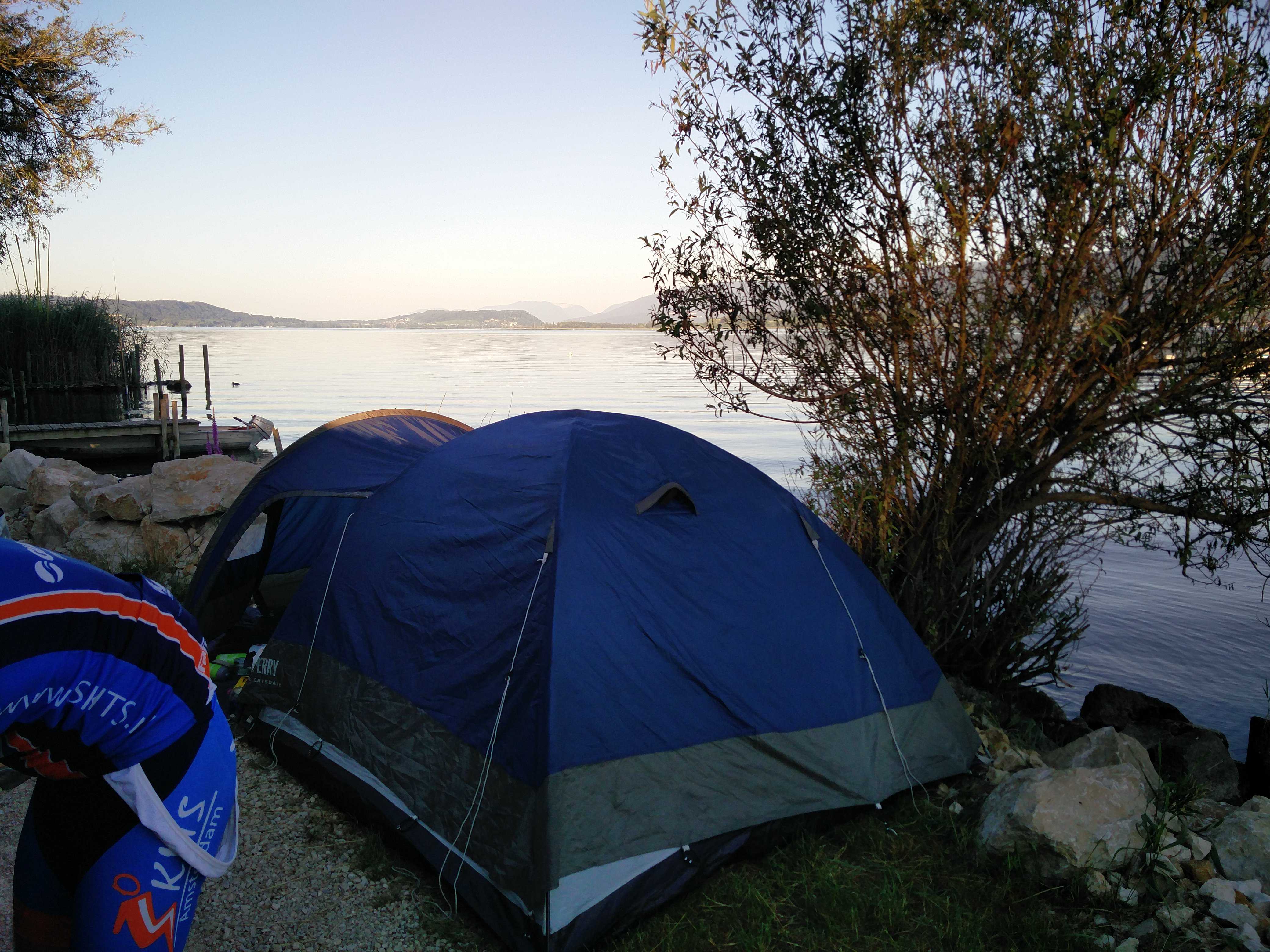
The EuroVelo lake route through Switzerland was as scenic as advertised — one of our best wild camps of the whole trip was on the shore of Lake Biel, near Bienne, with no plan beyond finding a flat patch of grass before dark.
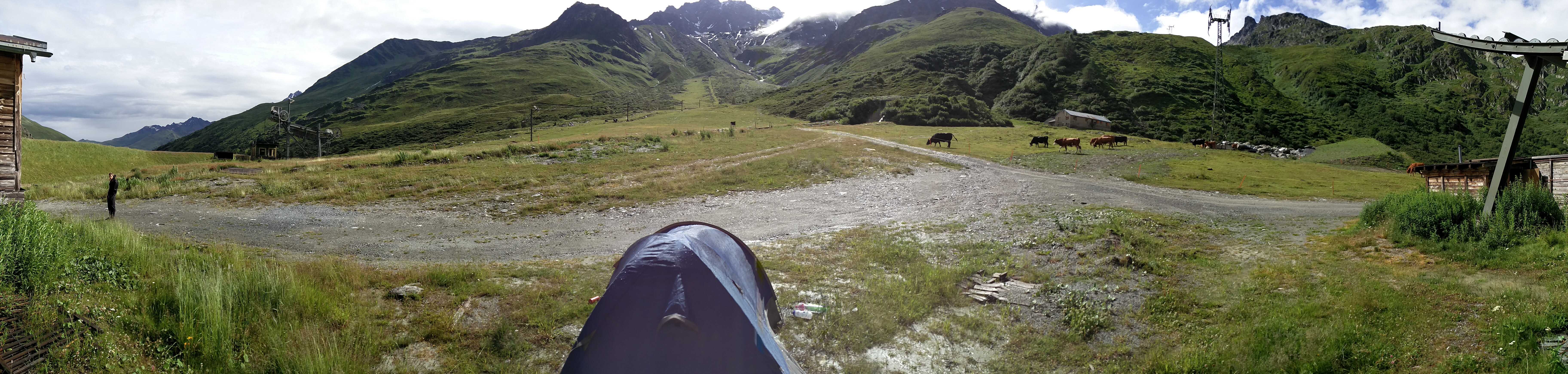
The climb over the Great St Bernard Pass was the trip’s first true test: switchback after switchback into thinning air, alpine meadows, and views that made the legs worth it. That night we camped wild again, right next to an abandoned ski resort near the top of the pass — one of those “we’re actually doing this” moments that has stuck with me since.
We crossed into Italy on 22 July, and the descent into Aosta was less triumphant than the climb: the Alps had emptied out into a hot, dry summer, and the river running through town had all but dried up. I have an eight-second video of us riding over the bridge above the cracked riverbed, muttering about the heat.
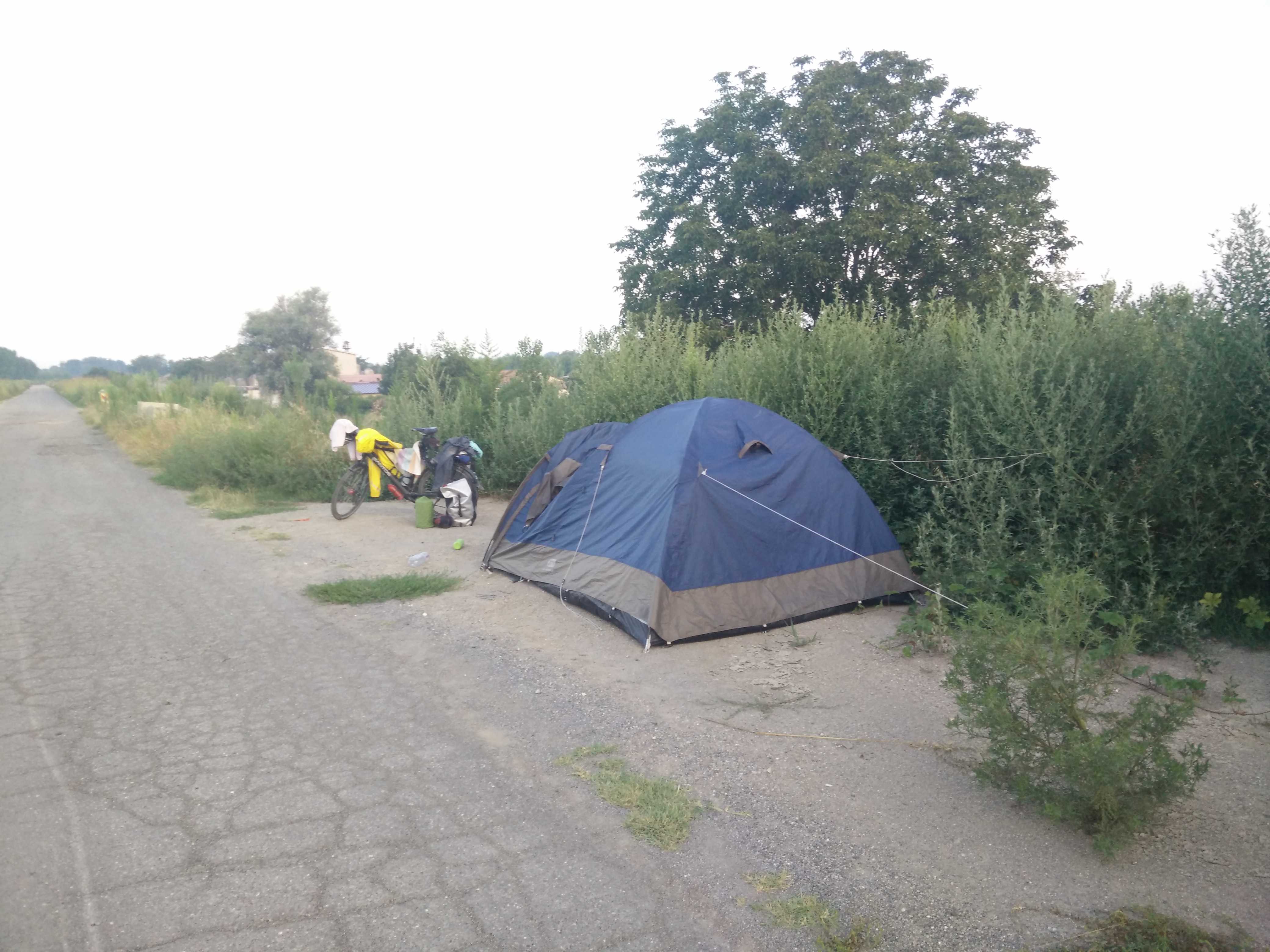
From Aosta we followed the Po river east toward Santhia, reaching it on 24 July. One of the rougher nights of the trip was camped in the Po Valley about 50 km south-south-east of Milan: a pig slaughterhouse somewhere near Monticelli Pavese kept the animals screaming through the night, and by dusk the campsite was swarmed by mosquitoes. Jonas and I zipped ourselves into the inner tent and sat there while they bounced off the netting by the hundred — meanwhile Robben cooked dinner outside, completely unbothered, for reasons none of us have ever figured out.
South of the Po Valley the ancient Via Francigena pilgrim route took over, and with it came Tuscany’s hills — climb after climb that, unlike the Alps, never seemed to lead anywhere in particular. Impatient to make progress, we cut a shortcut onto a car road in the full heat of the day; I came out of it with a heat rash and a clearer idea of why the route guides avoid it.
The lodging along this stretch became some of the best memories of the trip, precisely because we stopped rushing: a Boy Scout campsite here, an agriturismo there, and near Città di Castello a pastor let us sleep in the church’s Sunday school for the night after we simply asked if we could stay on the grounds. Somewhere along the way an elderly local pointed us to an abandoned monastery, and we spent a night there instead of a normal campsite.
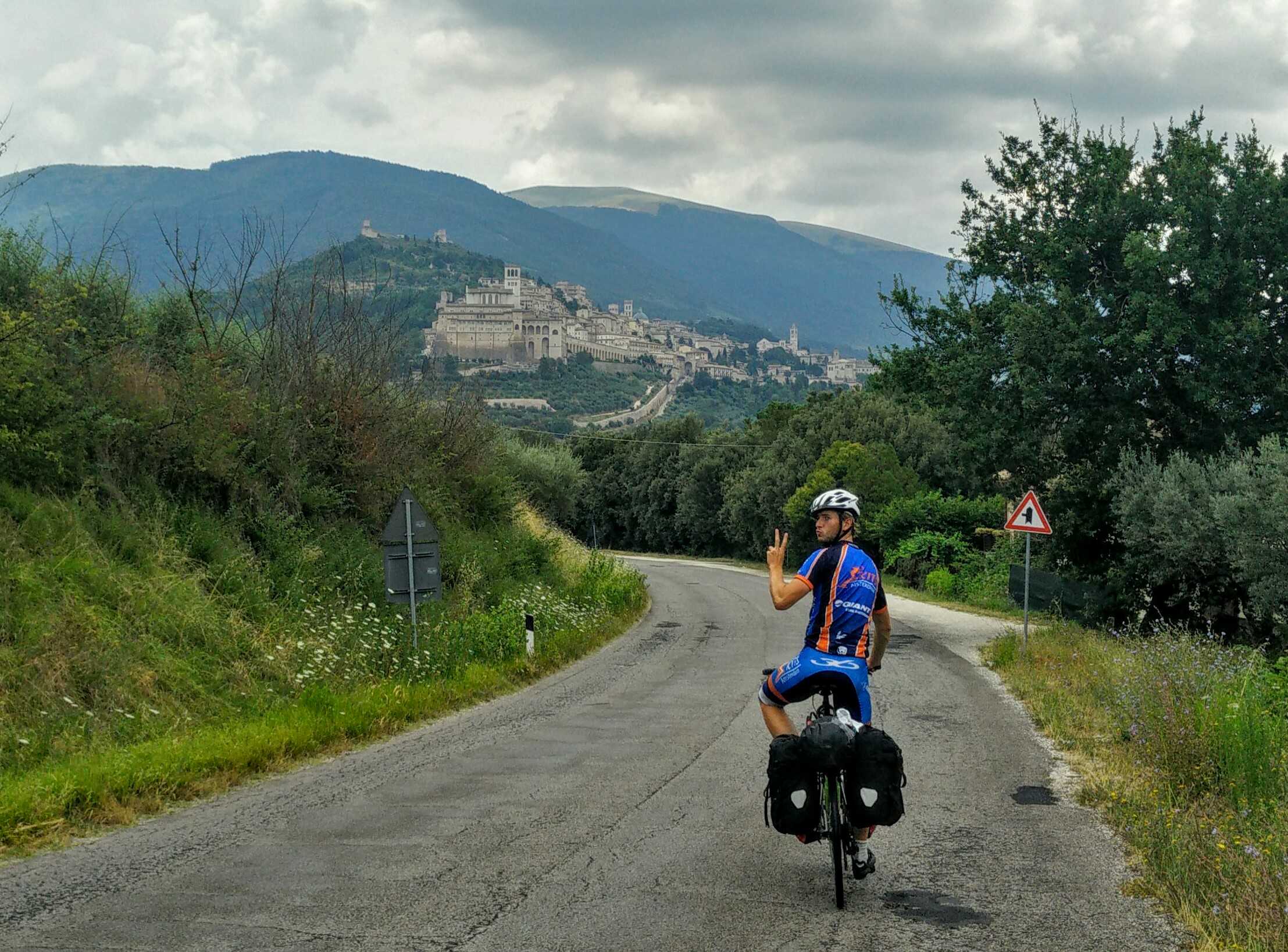
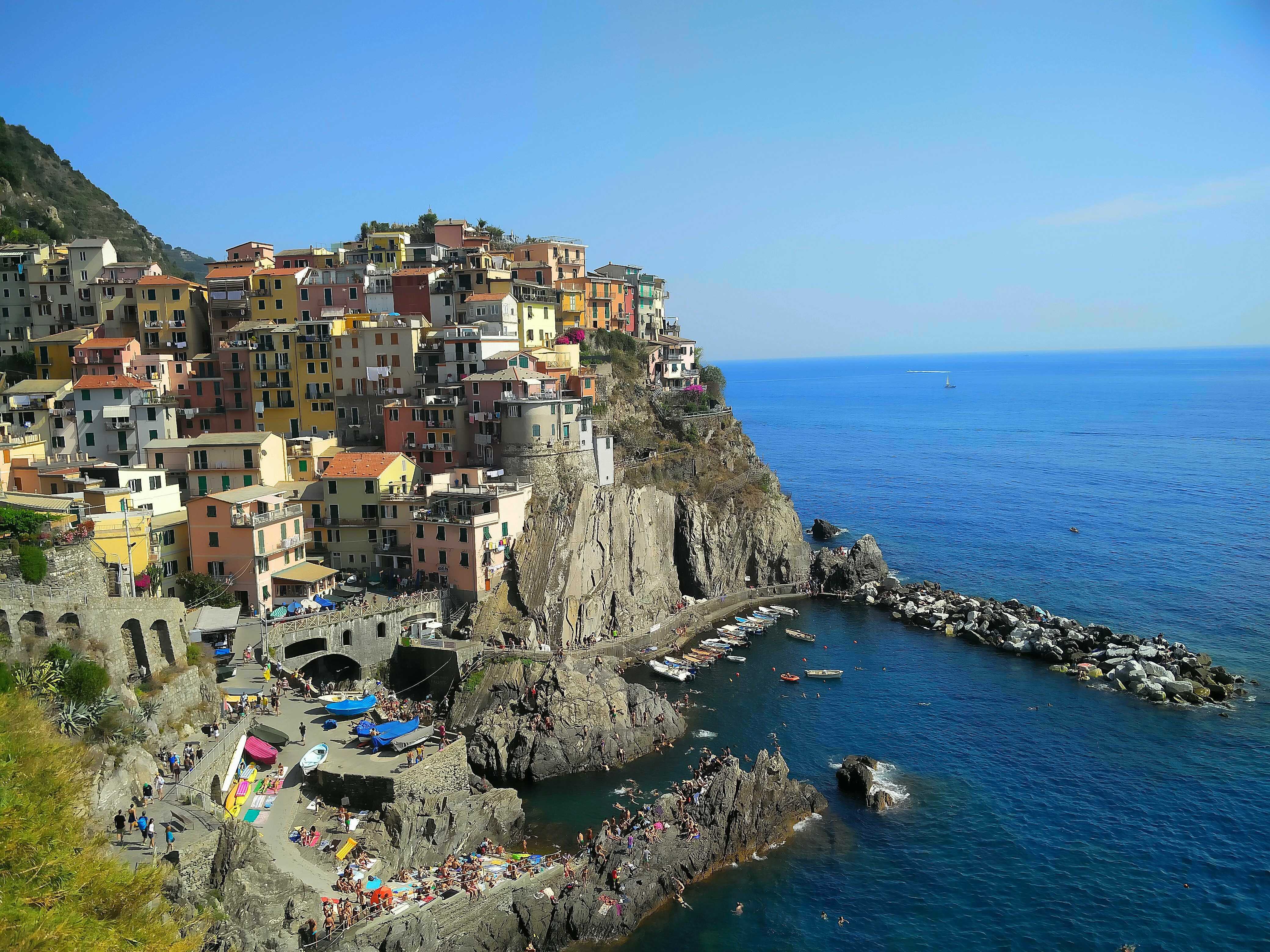
Relief came at the Ligurian coast: Cinque Terre’s five villages — Monterosso al Mare, Vernazza, Corniglia, Manarola and Riomaggiore — pastel houses stacked into the cliffs above the sea, narrow streets, local seafood, and a stretch of the Sentiero Azzurro coastal trail on foot. Pisa’s Leaning Tower and Florence’s Renaissance core followed. The last stretch of the Via Francigena took us to Perugia and then Assisi — two rival hill towns facing each other across a valley, each visible from a distance long before you reach them. Assisi, birthplace of St Francis, felt like the real finish line of the trip, even though Rome was still ahead of us.
Our tires finally hit Rome’s cobbled streets past the Colosseum and the Roman Forum, before we rolled into St Peter’s Square — the payoff after five weeks and about 2,400 km. We took the sleeper train back to Arnhem via Munich, which gave us two days to let it sink in before normal life resumed.
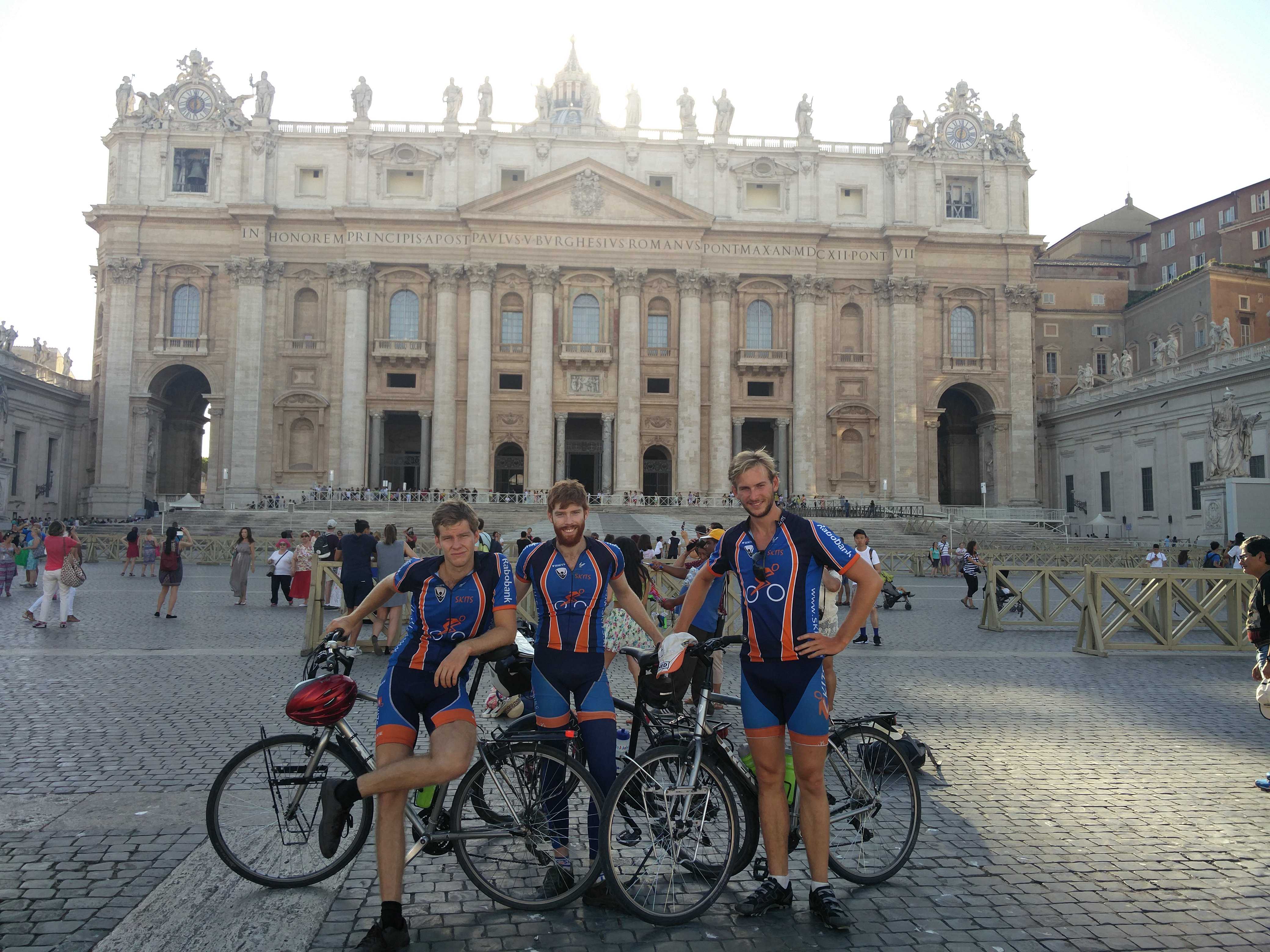
The funniest fact about the trip: I had never ridden the bike I did it on. We each rode a Trek bought for around 350 euros — remarkably cheap even by 2016 prices — and I learned to shift a derailleur for the first time on the day we left Maastricht. It took about a day to stick.
We borrowed Ortlieb panniers, front and back — not built for speed, but they held everything we needed and never let us down. Bottles lived on the frame, with room for extras in the panniers when water was scarce. Tent was a basic three-person model, nothing special, plus a small gasoline stove for cooking.
For lodging we mixed it up: campsites, Boy Scout grounds, agriturismi, and, once off the beaten tourist track, simply asking locals if we could pitch a tent on their land — which worked more often than not (see the Via Francigena leg for the best examples).
Food was Lidl and similar supermarkets, a couple of stops a day, all cooked ourselves — usually couscous rehydrated with hot water and whatever vegetables we had, plus a lot of bread with chocolate spread. No amount of food is ever enough after a full day of cycling; we talked about our next meal more than anything else, and treated ourselves to ice cream whenever we passed a place that sold it.
Distance varied wildly day to day, from full rest (0 km, a handful of times) to 157 km on our longest day. Here’s the full breakdown:
It’s less complicated than it looks. We rode inexpensive bikes, packed light, and stitched the route together from existing infrastructure — EuroVelo routes along the Rhine and the Swiss lakes, and the Via Francigena pilgrim route through Italy. Even with 2016-era mobile data, planning and finding our way was manageable with maps studied in advance.
The one thing I’d tell my 2016 self: stop rushing toward Rome. I spent the first half of the trip focused on the destination; looking back, the parts I remember best are the ones where we slowed down — the wild camps, the unplanned stops, the people who let us sleep on their land. The destination matters less than the way you get there.